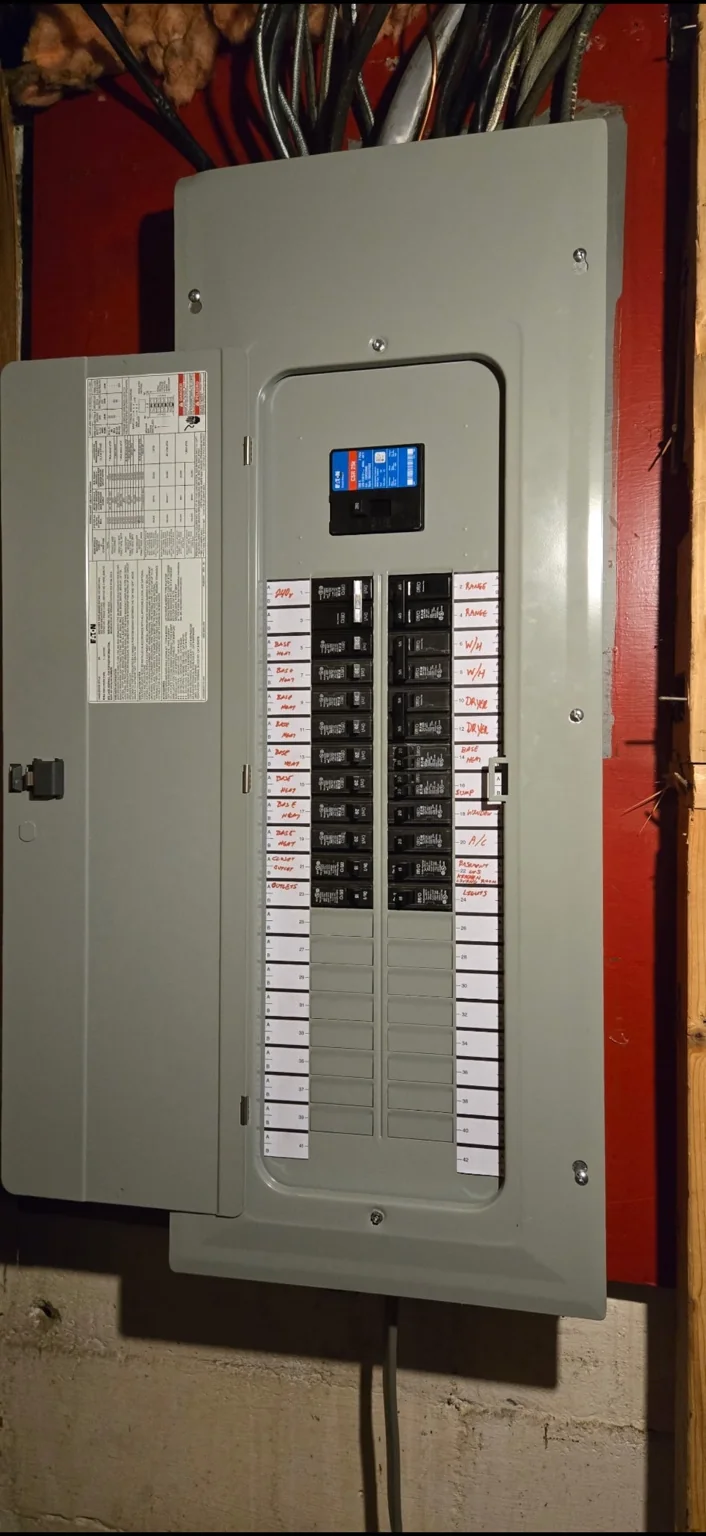
Whole-home device installation
Install a suitable surge-protection device as part of your home's electrical protection plan.
ELECTRICAL SERVICE IN DAYTON & SURROUNDING AREAS
Add a layer of protection for the appliances and electronics you depend on. We install suitable whole-home surge-protection equipment and explain the product options, limitations and coverage that apply.
Family owned since 2022 · Honest recommendations
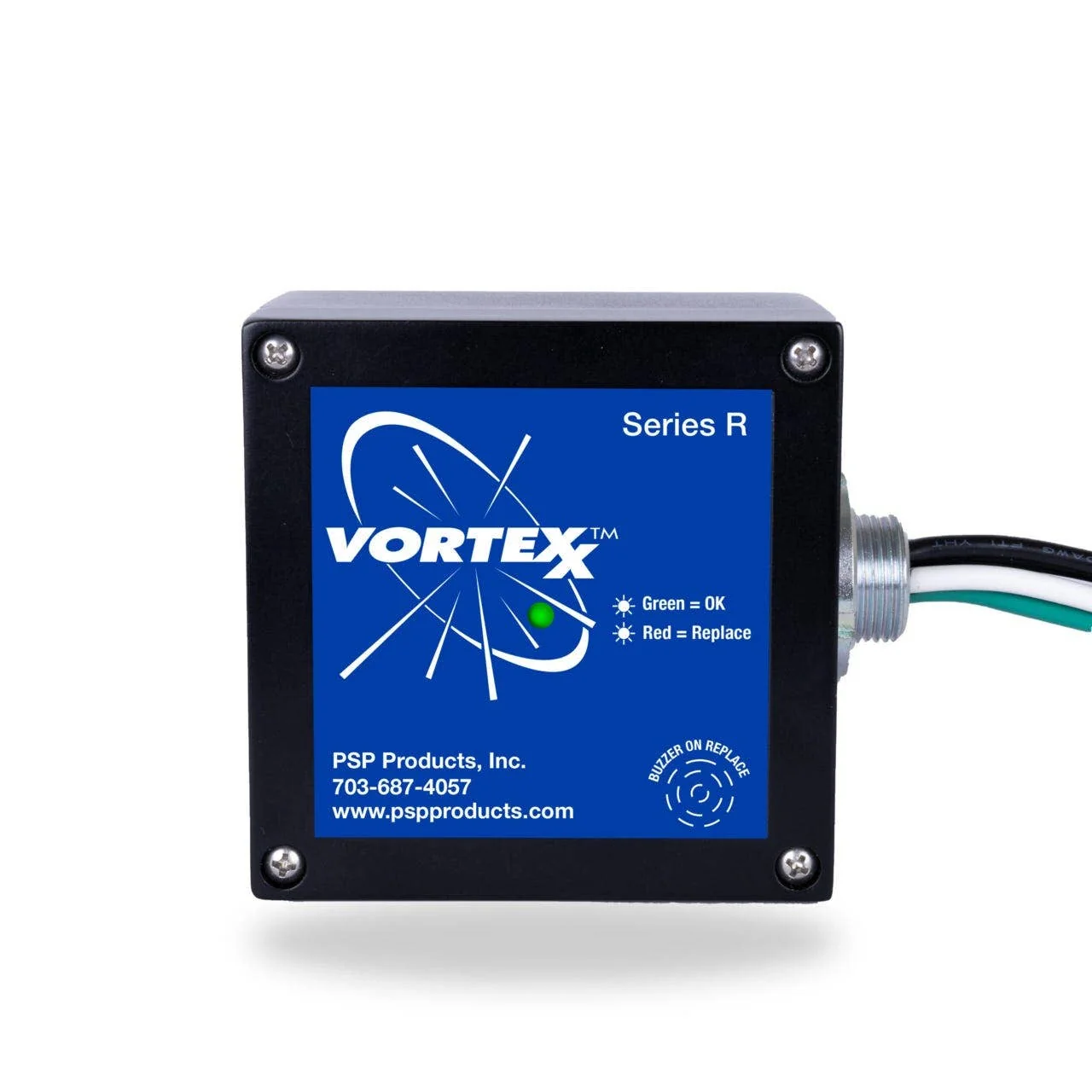
Help limit damage from damaging voltage surges.
Consider connected appliances and home systems, too.
Understand the selected product's terms and limitations.
WHAT WE CAN HELP WITH
Protect more of the electronics that make home work.
Install a suitable surge-protection device as part of your home's electrical protection plan.
Check installation requirements and compatibility with the existing electrical equipment.
Discuss the systems and devices you rely on so the protection conversation covers the whole home.
Understand how service-level and suitable point-of-use protection can serve different roles.
Consider surge protection alongside panel or service work when planning a larger electrical project.
Learn about the selected device's indicators and review the manufacturer's written coverage and exclusions.
THE RIGHT APPROACH FOR YOUR HOME
Surge protection helps limit damaging voltage events. A generator supplies power during an outage. If you're improving your home's electrical resilience, we can help you understand where each fits and the limits of the products proposed.
UNDERSTAND YOUR OPTIONS

A BRAND WE WORK WITH
Ask about the selected surge device, status indicators and its written product and connected-equipment coverage.
HELPFUL DETAILS BEFORE YOU DECIDE
A useful recommendation explains the device, where it belongs and what its documentation actually covers. Protection and product warranties should be discussed separately.
A panel-level surge-protection device is chosen around the installation and compatible equipment. Ask which product is proposed, how you can recognize its normal status and what should prompt a service call. The device is an added layer of protection, not a substitute for repairing a wiring problem.
Discuss computers, televisions and other equipment that may use suitable point-of-use protection. A basic power strip is not automatically a surge protector. Let the electrician review how the selected devices fit together instead of relying on a label or a warranty dollar amount alone.
Ask for the exact model’s written warranty and any connected-equipment terms. Registration, exclusions, eligible equipment and claim procedures can vary. Keep the product and installation records. No specific payout, universal coverage or protection against every electrical event should be assumed.
WHAT TO EXPECT
Share your location, the problem or improvement you have in mind, and any helpful photos.
We discuss the existing setup, equipment choices and what needs an on-site assessment.
Review the proposed work, quote and scheduling before the project moves forward.
WHY LYTLE ELECTRIC?
Family owned since 2022. We take time to explain what we find, offer practical options and respect the home you invite us into.
STRAIGHT ANSWERS
Practical answers about planning, equipment and what to expect.
Ask us a question ↗A suitably installed surge protective device helps limit transient overvoltage reaching the electrical system. It can support protection for connected appliances and electronics, including equipment that cannot use a plug-in protector. It reduces a type of electrical risk; it is not a guarantee that every device will survive every electrical event.
Point-of-use protection can complement protection installed at the electrical distribution equipment. Different devices serve different locations and needs, and an ordinary power strip is not necessarily a surge protector. We can discuss a layered approach for valuable electronics and appliances, following the equipment instructions. Compare the two types.
No. A surge protective device does not supply backup electricity. A UPS or generator serves a different purpose, depending on the equipment and the duration of backup needed. If keeping selected circuits operating during an outage is your goal, explore standby generator planning as a separate discussion.
No product should be presented as eliminating all lightning or surge risk. Performance depends on the event, the device, installation and the wider electrical system. We can explain the intended protection and limitations, and review the applicable manufacturer terms, so the purchase is based on realistic expectations rather than an absolute promise.
Often it can, but the panel, device compatibility, installation location and electrical system need to be reviewed first. Send the panel make or an accessible photo with covers in place. We’ll assess suitable equipment and any other work needed instead of assuming every surge device can be installed in every panel.
Grounding and bonding are part of the electrical system that must be considered when assessing protection. A surge device is not a substitute for correcting an underlying electrical problem. If the assessment identifies concerns, those should be discussed alongside the device selection. Read our grounding and bonding overview.
Follow the manufacturer’s instructions for the exact device. Many products have an indicator showing protection status, and service may be needed if it reports a fault or loss of protection. Ask what to check and who to call after installation. Do not remove the electrical panel cover to inspect a device.
Coverage varies by product and may include limits, exclusions, registration steps or claim requirements. A connected-equipment warranty is different from the device warranty and from workmanship coverage. Ask to review the specific terms before choosing equipment, including documentation you should retain and the process for reporting a potential claim.
Local service from a family-owned company. Call with your location and we’ll discuss your project.
GOOD QUESTIONS START HERE
Understand the roles of panel-level and plug-in surge protection, then ask the right questions about equipment selection, coverage, status indicators, and the limits of protection.
Read the guidePlanning an EV charger or remodel? Learn how panel condition, available circuit space, and electrical demand shape a recommendation before you commit to an upgrade.
Read the guideRecord the circumstances around recurring breaker trips without recreating the fault, then use those details to get a clearer diagnosis and understand the recommended repair.
Read the guideGood electrical work starts with a conversation.