Before you get started
- Whole-home and point-of-use protection serve complementary roles.
- A power strip is not automatically a surge protector.
- Ask how to check the device's protection status and understand warranty terms.
Think about everything connected in your home
When homeowners think about surge protection, a television or computer often comes to mind first. Start a broader inventory before choosing a plan: include appliances, heating and cooling controls, entertainment equipment, and the devices you depend on for work.
The purpose of this list is to explain your priorities. You do not need to calculate the replacement value of every item or buy equipment before the assessment. Tell the electrician what matters most, what protection is already installed, and whether a recent event prompted the conversation.
Understand the two layers
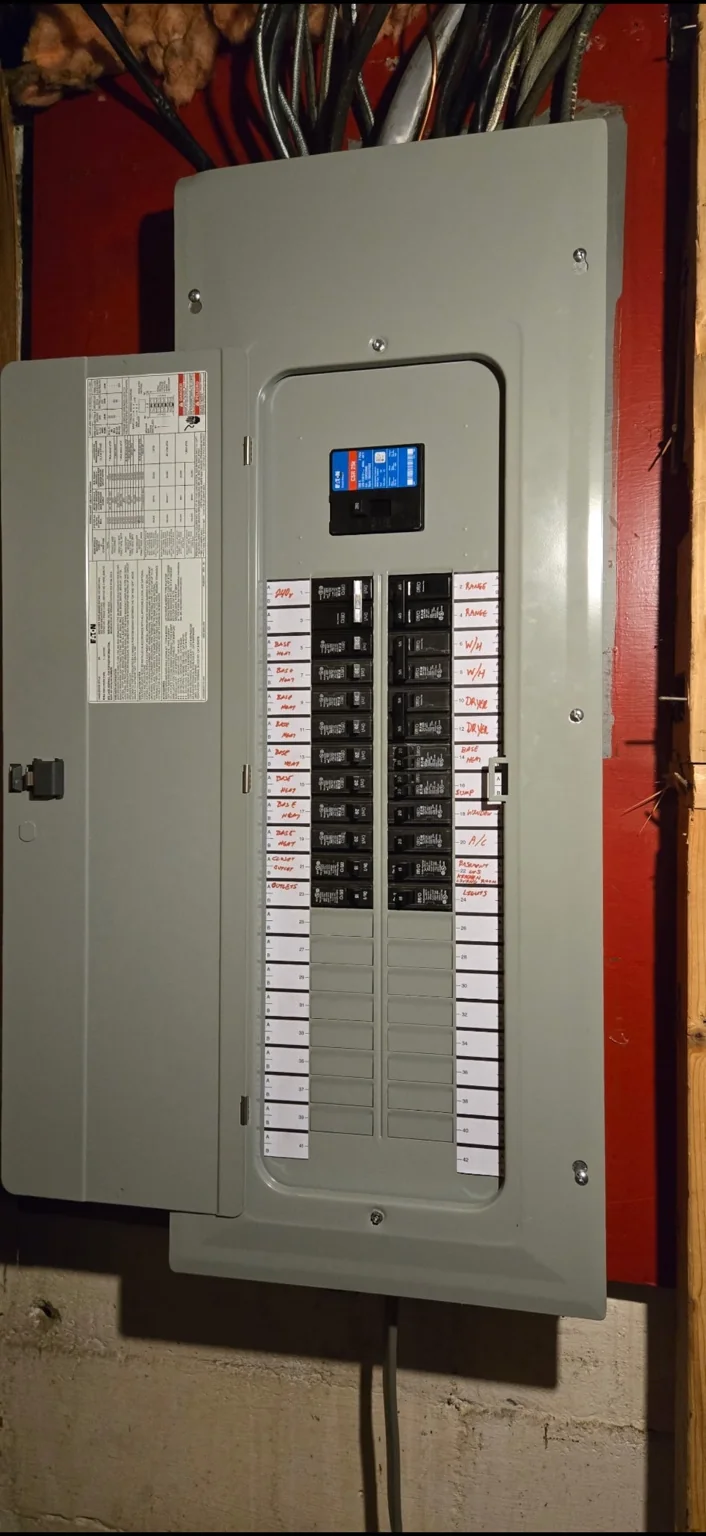
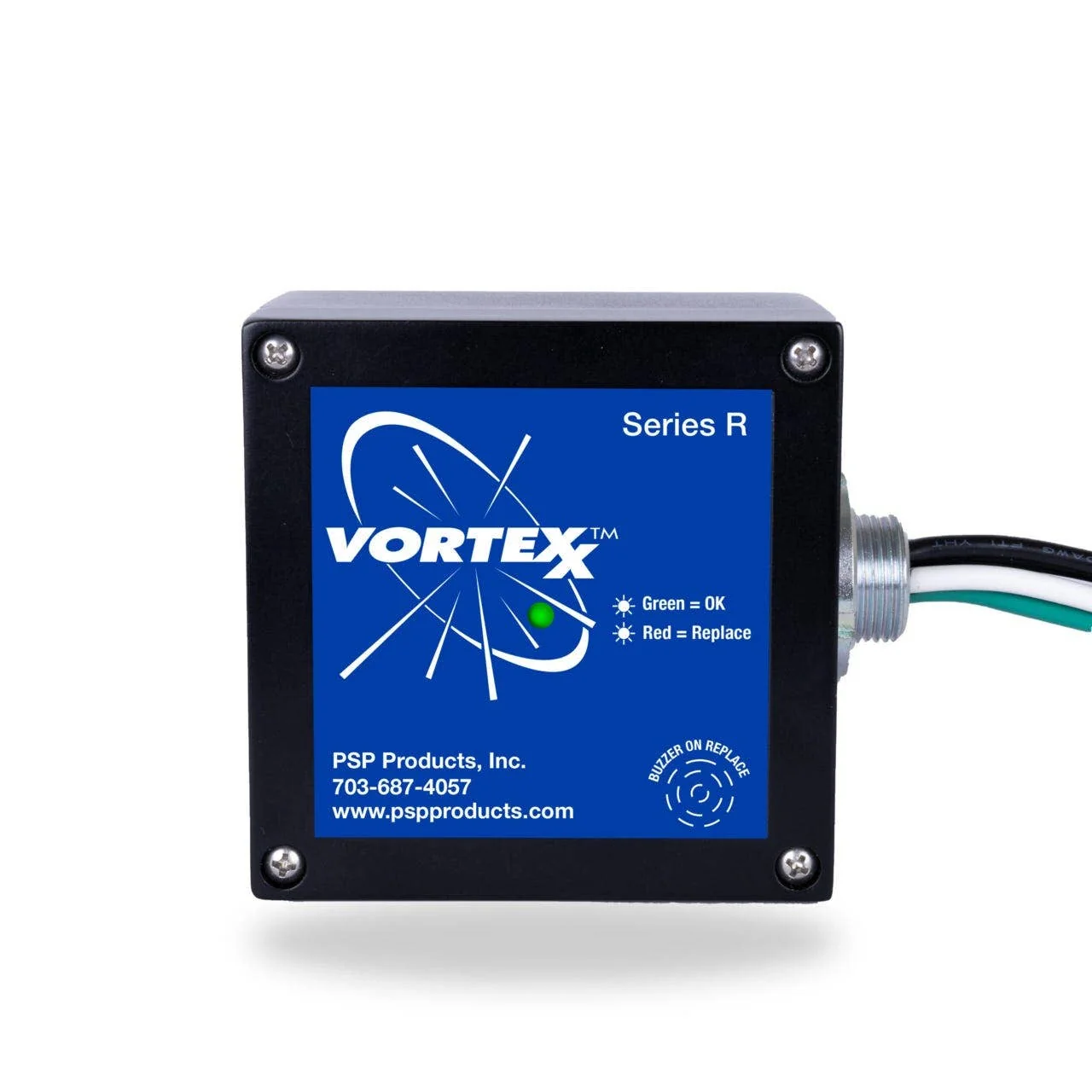
A surge is a brief rise in voltage. Sources can be inside or outside the home. A permanently connected surge protective device at the service or panel provides a broader layer of protection; point-of-use protection is located at particular connected equipment.
ESFI recommends layered surge protection. The choice is therefore not necessarily whole-home equipment or a plug-in device. Ask how the proposed installation and suitable point-of-use protection fit together. A standard power strip may only provide more outlets, so check its actual product description rather than assuming the shape proves it protects against surges.
Separate surge protection from other needs
A surge protector does not supply electricity during an outage, and it is not a repair for faulty wiring or recurring breaker trips. Tell the electrician about those symptoms separately so the conversation does not become a product recommendation before the underlying concern is understood.
No protection plan should be described as a guarantee against every electrical event. ESFI specifically cautions about direct lightning strikes. Ask the installer to explain the limits in practical terms, particularly if you are trying to address an existing history of equipment damage.
Make the proposal easy to compare
Ask which device is being recommended and why it suits your installation. Product names and impressive-looking ratings are difficult to compare without context. A useful explanation connects the equipment to your electrical system and describes what the installation includes.
If the electrician identifies another condition that needs attention first, ask for that work to be distinguished from the surge-protection addition. This lets you understand the reason for each part of the proposal instead of treating everything as one unexplained package.
- Where will the device be installed, and what installation work is included?
- How does it complement any protection already present?
- How will I know whether it is still providing protection?
- What follow-up is recommended if its status changes?
Read protection warranties as specific agreements
If a product advertises connected-equipment coverage, ask for the actual terms before treating that number as a purchase benefit. Look for eligibility requirements, exclusions, registration steps, and the claim process. Manufacturer coverage and the electrician's workmanship terms are separate subjects.
Keep the model information, installation date, invoice, and product instructions together. Ask which indicator or notification you should recognize without opening electrical equipment. Point-of-use protectors may need replacement over time or after a significant event; use the instructions for the specific product rather than a guessed universal lifespan.
Fit protection into the bigger electrical plan
A panel project or other planned electrical visit is a useful time to ask about surge protection, but the recommendation should still be specific to your home. Lytle Electric can discuss the options for your Dayton-area property. Share your existing setup and your concerns so the next step addresses what you actually need.
Further reading & sources
Technical guidance is based on the sources below. Product instructions and your home’s actual conditions guide the work.