Before you get started
- A replacement panel and a larger electrical service solve different problems.
- A load assessment should include the equipment you want to add.
- Ask for a written scope covering utility coordination, inspection, and restoration.
Begin with the project, not an amperage number
An EV charger, a kitchen remodel, or a new workshop often starts the conversation about an electrical upgrade. Before choosing equipment, explain what you want the house to do. Replacing a worn component, making room for more circuits, and increasing available electrical capacity are different goals. They can overlap, but they should not be treated as the same job.
Write down what prompted your call and what you expect to add over the next few years. A useful recommendation should connect the proposed work to those needs, with a clear explanation of what is necessary now and what is optional planning for later.
Understand the two kinds of upgrade
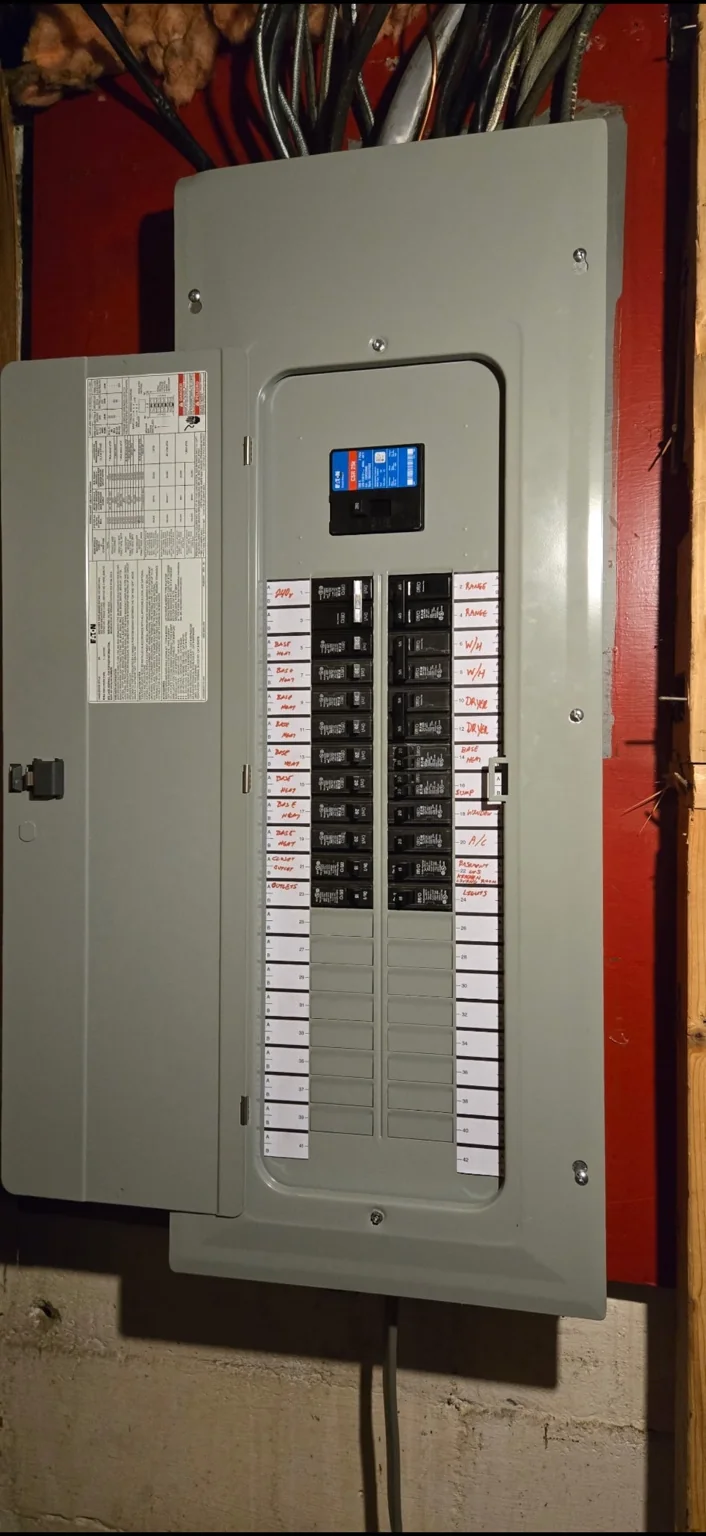
The panel distributes electricity to the home's circuits. A panel replacement can address its condition or configuration without automatically increasing the capacity of the utility service. A service upgrade changes the capacity supplying the property and may involve additional equipment, conductors, and utility work.
More breaker spaces do not by themselves mean more electrical capacity. Conversely, a capacity concern does not establish that every existing circuit needs replacement. Ask the electrician to identify whether the constraint is equipment condition, circuit space, electrical demand, or some combination.
Give the assessment a useful starting point
Share plans and equipment specifications you already have. You do not need to remove a panel cover or investigate wiring. If the appliance or charger has not been selected, bring the options under consideration and explain your preferred location.
A professional load assessment considers the existing system and planned demand. Suitable load management can sometimes be an alternative to a larger service; whether it fits depends on the installation and the limitations you are willing to accept. Ask what the home could operate concurrently under each proposed option.
- List planned additions, including a charger, heating equipment, kitchen appliances, or workshop tools.
- Explain whether projects will happen together or in stages.
- Mention recurring electrical symptoms separately from your future upgrade plans.
Separate a repair from a future improvement
When equipment needs attention, request an explanation of the finding before discussing a larger improvement package. Ask which work addresses the immediate condition, which work supports the new project, and which work provides room for later additions. This makes a phased decision much easier.
Avoid comparing proposals by panel brand or a single headline number alone. A lower total may leave out coordination or finishing work that another proposal includes. A more expensive option may include capacity you do not currently need. The written scope should make that distinction visible.
Questions worth asking before scheduling
Clarify the expected interruption to power and how scheduling will be coordinated. If you work from home or have equipment that cannot lose power unexpectedly, raise that before the installation date. Do not assume temporary power is included.
- Does the scope replace the panel, increase service capacity, or both?
- Who handles permits, utility coordination, and inspection arrangements?
- Are labeling, cleanup, and any wall repairs included?
- What could change the scope after the existing installation is assessed?
Plan the next step with Lytle Electric
Tell us where your Dayton-area home is, what you are adding, and what concerns you have about the existing system. We can discuss a panel or service assessment around those goals. The objective is a recommendation you understand, so you can choose the work with confidence.
Further reading & sources
Technical guidance is based on the sources below. Product instructions and your home’s actual conditions guide the work.