Standby generator installation
Plan an installed backup-power system around your home's electrical needs and suitable equipment.
ELECTRICAL SERVICE IN DAYTON & SURROUNDING AREAS
Prepare your home for a power outage. We install standby generators and provide generator maintenance, helping you plan backup power around the systems and appliances that matter to your household.
Family owned since 2022 · Honest recommendations
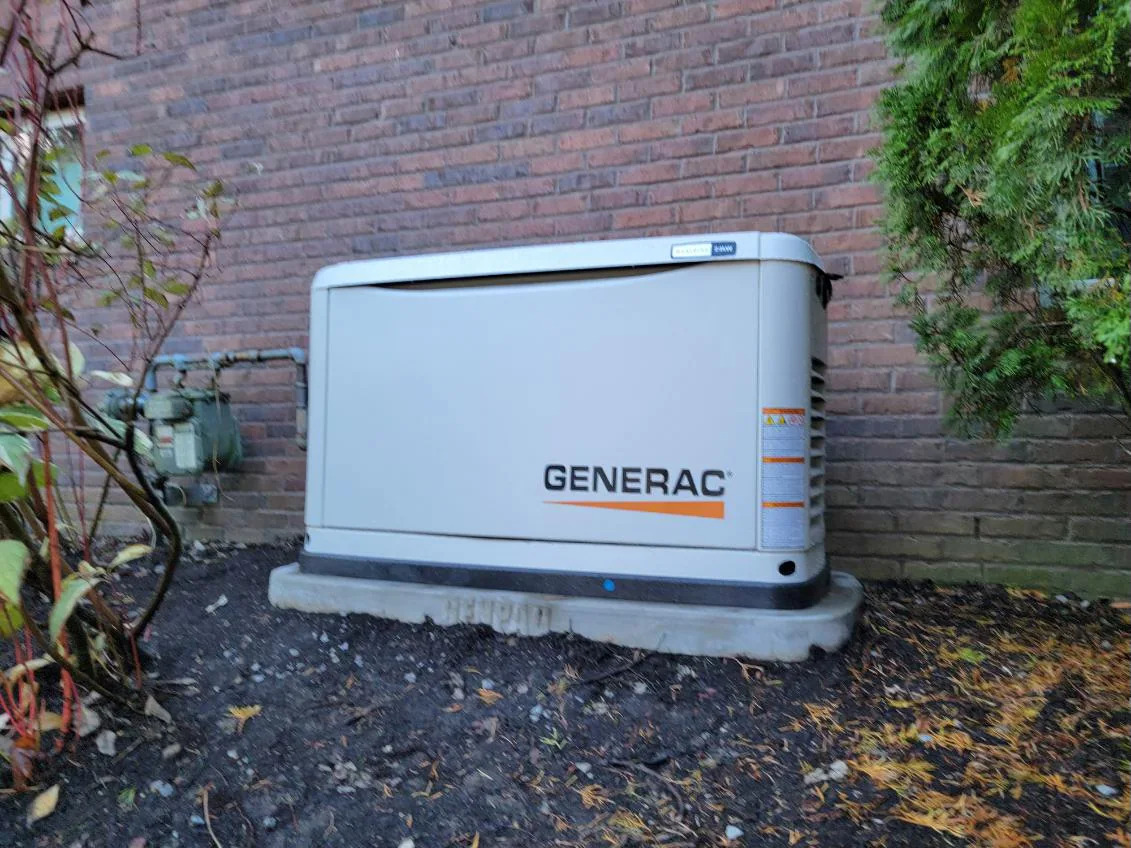
Consider the equipment you want to keep running.
Match the system to your household's important loads.
Include the manufacturer's maintenance needs in your plan.
WHAT WE CAN HELP WITH
A backup-power plan for the things you rely on.
Plan an installed backup-power system around your home's electrical needs and suitable equipment.
Discuss refrigeration, heating equipment and other priority loads before selecting generator capacity.
Consider the connection between utility and generator power as part of the overall system.
Review equipment location, service access and the associated electrical and fuel-supply requirements.
Ask about maintenance for your existing unit, including the recommended schedule and equipment requirements.
Understand the proposed generator, expected coverage and any load-management limitations before deciding.
THE RIGHT APPROACH FOR YOUR HOME
Whole-home backup starts with a conversation about your actual loads. We help you understand the capacity and transfer arrangement proposed for your home, including what can run together and what may need to be managed.
UNDERSTAND YOUR OPTIONS

A BRAND WE WORK WITH
Discuss suitable standby equipment, the loads you want to support and the maintenance requirements for your system.
HELPFUL DETAILS BEFORE YOU DECIDE
Start with the things that matter most to your household. That makes the equipment discussion more useful than choosing a generator by the size of your home alone.
List refrigeration, heating equipment, lighting, internet, a sump pump and other loads you want considered. Separate essential needs from conveniences. If a household member relies on medical equipment, discuss a dedicated emergency plan with the equipment provider as well as the electrical requirements.
Generator capacity, the transfer equipment, available fuel, placement and electrical work all affect the proposal. Some projects also need coordination with other trades or the utility. Ask which parts of that work are included, which require separate arrangements and what determines the schedule.
Keep the model information, operating instructions and maintenance records together. Ask how to recognize a fault indication and whom to call for service. Maintenance requirements vary with the equipment and run time, so the schedule should follow the specific manufacturer’s instructions.
WHAT TO EXPECT
Share your location, the problem or improvement you have in mind, and any helpful photos.
We discuss the existing setup, equipment choices and what needs an on-site assessment.
Review the proposed work, quote and scheduling before the project moves forward.
WHY LYTLE ELECTRIC?
Family owned since 2022. We take time to explain what we find, offer practical options and respect the home you invite us into.
STRAIGHT ANSWERS
Practical answers about planning, equipment and what to expect.
Ask us a question ↗A standby system uses a compatible transfer switch to supply selected loads when utility power is unavailable. An automatic system can detect an outage and start without someone manually connecting equipment. Correct generator sizing, transfer equipment, fuel supply and installation are all part of planning a system for the property.
That depends on the generator’s capacity, the electrical demand and any load management. “Whole-home” does not automatically mean every appliance can operate simultaneously. We discuss which loads matter most—such as heating, refrigeration or essential equipment—and consider starting demand as well as normal running demand when reviewing the options.
The starting point is the equipment you want to support and how it operates, rather than square footage alone. Large motors and electric heating can significantly affect demand. List your priorities and any planned additions so the system can be assessed around actual needs. Read our generator planning guide.
Placement depends on the model’s instructions, required clearances, openings in the building, fuel access and local requirements. Noise, servicing access and the route for electrical connections matter too. A location should be assessed before you purchase equipment or prepare a base; appearance alone does not determine a suitable position.
Many home standby generators use natural gas or propane, depending on the model and installation. Available fuel, supply capacity and any required fuel-system work must be reviewed. We’ll discuss how those requirements affect the project and which parts of the installation need coordination before the scope is agreed.
The generator is only one part. Transfer equipment, wiring, site preparation, fuel connections, permitting and any necessary electrical work can affect the total. The quote should make the responsibilities and included work clear. Share your backup priorities and property details so the discussion covers the complete installation, not just equipment price.
Follow the maintenance schedule for the specific model, including any requirements based on operating hours or conditions. Routine exercise does not replace maintenance, and an extended outage may bring service needs forward. Lytle offers generator maintenance; share the model and service history. See our maintenance planning guide.
Ask which equipment is covered, the applicable term, exclusions, registration requirements and required maintenance. Product coverage and installation workmanship are separate matters. Keep the model, serial number and service records, and confirm the terms for your actual equipment; a brand name alone does not establish the coverage for every system.
Local service from a family-owned company. Call with your location and we’ll discuss your project.
GOOD QUESTIONS START HERE
Build a practical standby generator plan around essential equipment, comfort priorities, installation scope, and ongoing care so your proposal answers the questions that matter most.
Read the guideA useful generator maintenance plan starts with your exact model, service history, and runtime, then sets clear responsibilities before the next unexpected power outage arrives.
Read the guideStart with the paths, entrances, and features you actually use. A thoughtful outdoor lighting plan balances everyday comfort, curb appeal, practical controls, and your budget.
Read the guideGood electrical work starts with a conversation.