Home charging installations
Install suitable charging equipment in your garage or another appropriate parking location.
ELECTRICAL SERVICE IN DAYTON & SURROUNDING AREAS
Make charging at home part of your routine. We install EV chargers and dedicated circuits with the equipment, parking location and electrical capacity of your home considered together.
Family owned since 2022 · Honest recommendations
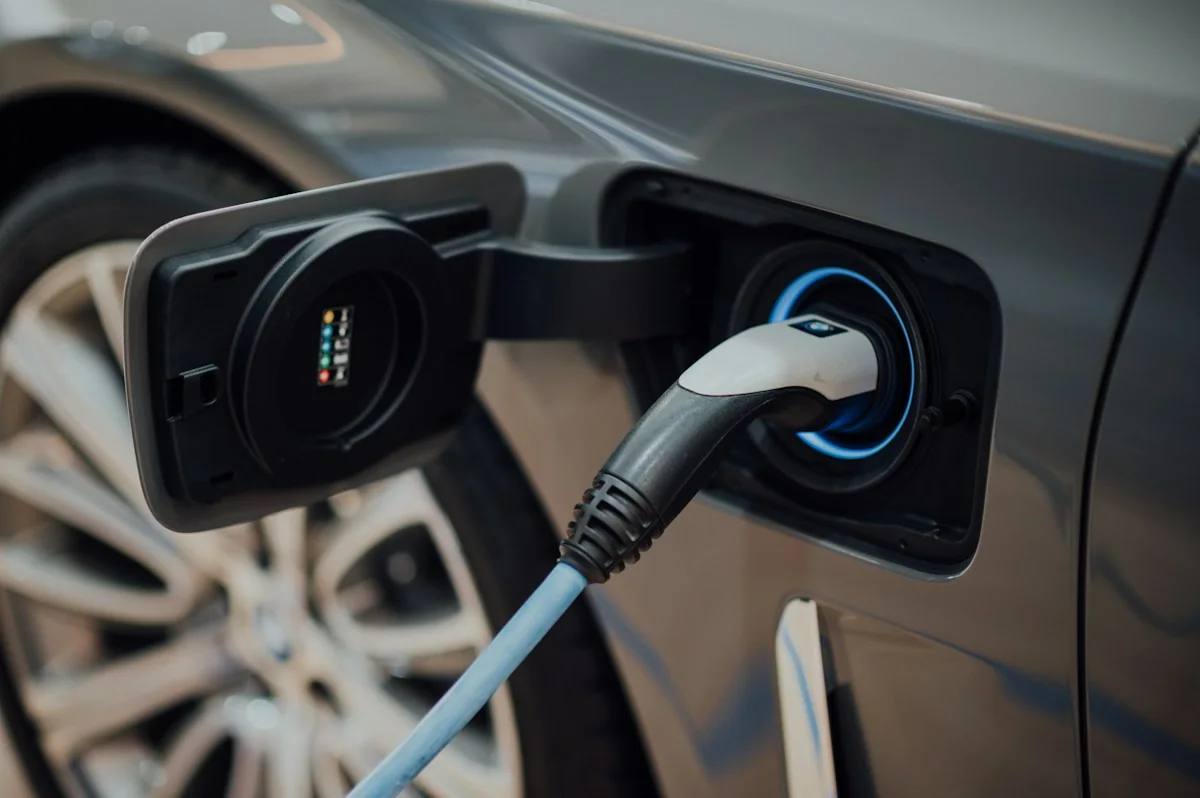
Plan a convenient location with practical cable reach.
Choose a setup around your vehicle and daily driving.
Know whether additional electrical work is needed.
WHAT WE CAN HELP WITH
Convenient charging, planned around your vehicle and home.
Install suitable charging equipment in your garage or another appropriate parking location.
Plan the circuit around the selected charger's electrical requirements and your home's available capacity.
Review the appropriate connection arrangement for the equipment and installation location.
Consider cable reach, exposure and the wiring route before settling on a charger position.
Assess available capacity and discuss any related electrical upgrades before equipment is installed.
Provide circuits for suitable appliances or equipment based on the manufacturer's requirements and the existing supply.
THE RIGHT APPROACH FOR YOUR HOME
The right setup depends on more than the charger box. Vehicle capability, time parked at home and the route from your electrical panel all influence the plan. We can help whether you already own a charger or are still comparing options.
UNDERSTAND YOUR OPTIONS
HELPFUL DETAILS BEFORE YOU DECIDE
The right charger is only part of the project. Where you park, the equipment you choose and the electrical capacity of your home all belong in the same conversation.
Tell us which side of the car has the charging port, how you usually park and whether the charger will be indoors or outdoors. Think about a second vehicle and where the cable will rest between uses. A convenient position should also keep walking routes clear.
Share the vehicle and charger models and any future electrical additions. Your panel and existing household demand need assessment before a charging circuit is selected. An unused breaker space alone does not establish capacity, and not every installation requires a full service upgrade.
Ask what the proposed quote includes: equipment, circuit route, mounting, any panel changes, and applicable permit or inspection coordination. Hardwired and receptacle-based arrangements have different installation considerations. The proposed setup should match the equipment instructions and the conditions at your home.
WHAT TO EXPECT
Share your location, the problem or improvement you have in mind, and any helpful photos.
We discuss the existing setup, equipment choices and what needs an on-site assessment.
Review the proposed work, quote and scheduling before the project moves forward.
WHY LYTLE ELECTRIC?
Family owned since 2022. We take time to explain what we find, offer practical options and respect the home you invite us into.
STRAIGHT ANSWERS
Practical answers about planning, equipment and what to expect.
Ask us a question ↗Level 1 typically uses a compatible 120-volt supply and charges more slowly. Level 2 uses a suitable 240-volt circuit and can add charge faster. Actual speed depends on the vehicle, charging equipment and circuit capacity. Your daily mileage and overnight parking time help determine what is practical for you.
Not every installation needs an upgrade. We review the existing electrical demand, service capacity, panel condition and the charger’s requirements. Spare breaker spaces alone do not confirm available capacity. Depending on the assessment, options may include an appropriate circuit, compatible load management or a panel or service upgrade.
It is helpful to discuss the vehicle, preferred parking location and electrical system first. If you already have a charger, send its make, model and installation instructions. Connector compatibility, circuit requirements and indoor or outdoor suitability should be checked before finalizing the installation or buying additional equipment.
Both approaches have installation requirements, and the right choice depends on the charger, location and applicable rules. A plug-in unit needs a suitable receptacle and circuit; a hardwired unit connects directly to the supply wiring. We can compare the options for your equipment rather than treating an existing outlet as automatically suitable.
The wiring distance from the panel, routing difficulty, charger requirements and any electrical upgrades are major factors. A detached garage or an outdoor location can change the scope. Photos of the parking area and the closed panel help start the discussion. Read our home charging planning guide.
Potentially, with equipment rated for the location and an appropriate electrical supply. We review exposure to weather, cable reach, mounting, vehicle position and the wiring route. A detached garage may need additional work on its supply. Share photos and distances so we can discuss what a site assessment should cover.
Do not assume an existing outlet or an extension cord is suitable for vehicle charging. Charging is a sustained electrical load, and the equipment instructions, circuit and connection must be reviewed. Tell us what outlet you have without opening it; we can assess an appropriate charging setup for the vehicle and location.
Contact us with the number of vehicles, parking arrangement, charging goals and available equipment information. Business charging can have different power and operating requirements from a single home charger. We’ll discuss project fit and what needs assessment before making a recommendation. Tell us about your business project.
Local service from a family-owned company. Call with your location and we’ll discuss your project.
GOOD QUESTIONS START HERE
Choose a home charging setup around your vehicle, parking, and daily mileage. Learn which details help an electrician assess capacity and prepare a useful quote.
Read the guideStart with the paths, entrances, and features you actually use. A thoughtful outdoor lighting plan balances everyday comfort, curb appeal, practical controls, and your budget.
Read the guidePlan kitchen lighting around cooking, gathering, and winding down. Learn how ceiling lights, pendants, and countertop lighting can work beautifully together without overwhelming your room.
Read the guideGood electrical work starts with a conversation.