Before you get started
- Match the exact light and control models, not just the brand.
- Let the electrician assess wiring and multi-location requirements.
- Choose controls your household can comfortably use every day.
Start with the problem you want to solve
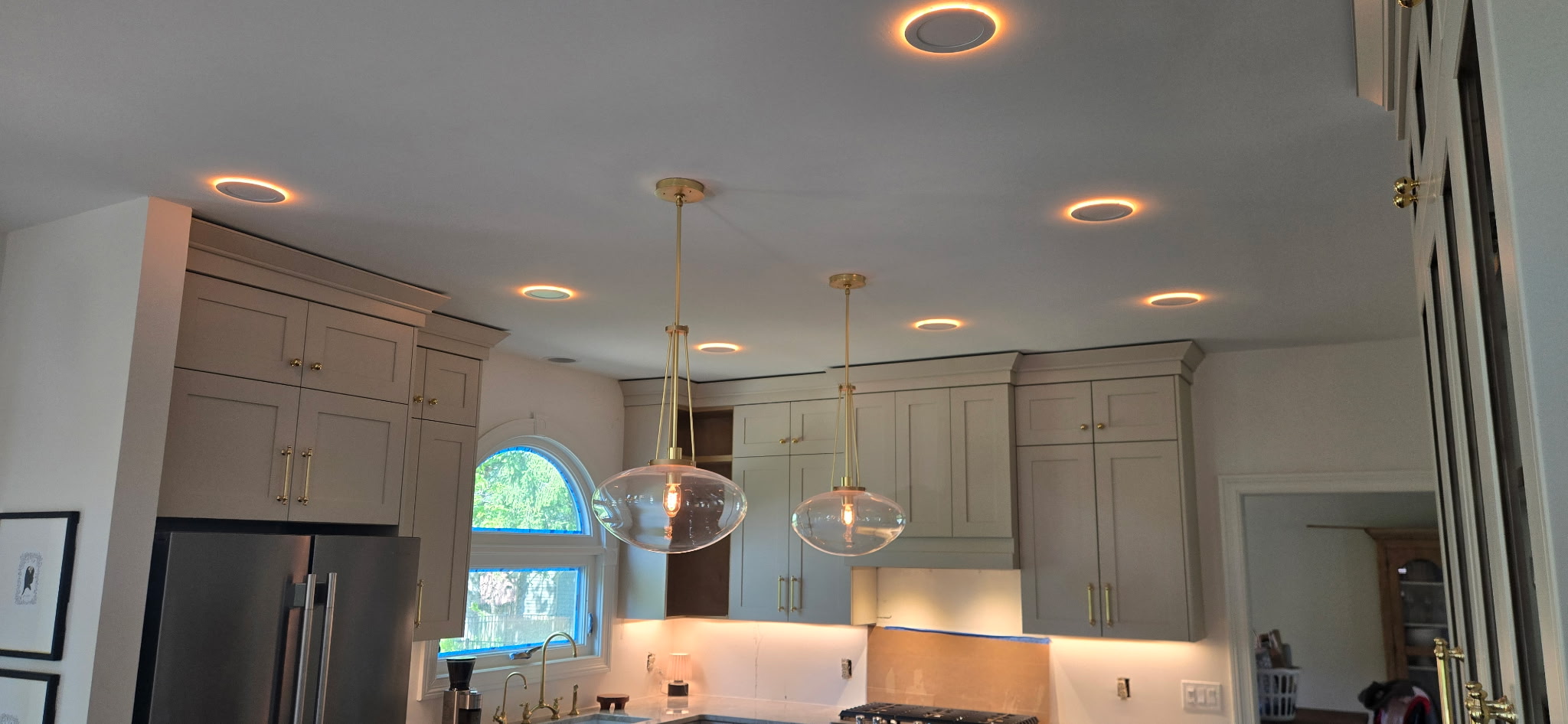
Do you want to lower the lights for dinner, operate a hallway from another location, or stop walking through the house at bedtime? Describe that goal first. A smart switch is useful when it makes a real routine easier; extra features alone do not guarantee a better experience.
Make a room-by-room list rather than ordering a whole-home set immediately. Start with the places where the benefit is clearest. You can then decide whether a small trial area gives you enough confidence to use the same approach elsewhere.
Compatibility is specific
A dimmable LED label does not identify every control it will work well with. Lutron provides a compatibility tool that pairs specific dimmers and tested bulbs. Ask for your exact fixture or lamp model to be checked with the proposed dimmer, including the manufacturer's stated limits.
If a room mixes different bulbs or fixtures on one control, mention that early. Send product links, packaging photos, or purchase records when you have them. Avoid choosing a device solely because the wall plate matches the rest of the house.
The existing installation matters
Neutral requirements vary by product. For example, Lutron identifies some Sunnata LED+ dimmers as not requiring a neutral, while Sunnata Pro dimmers and switches do. That difference is a reason to verify the model and installation, not to assume every smart control needs the same wiring.
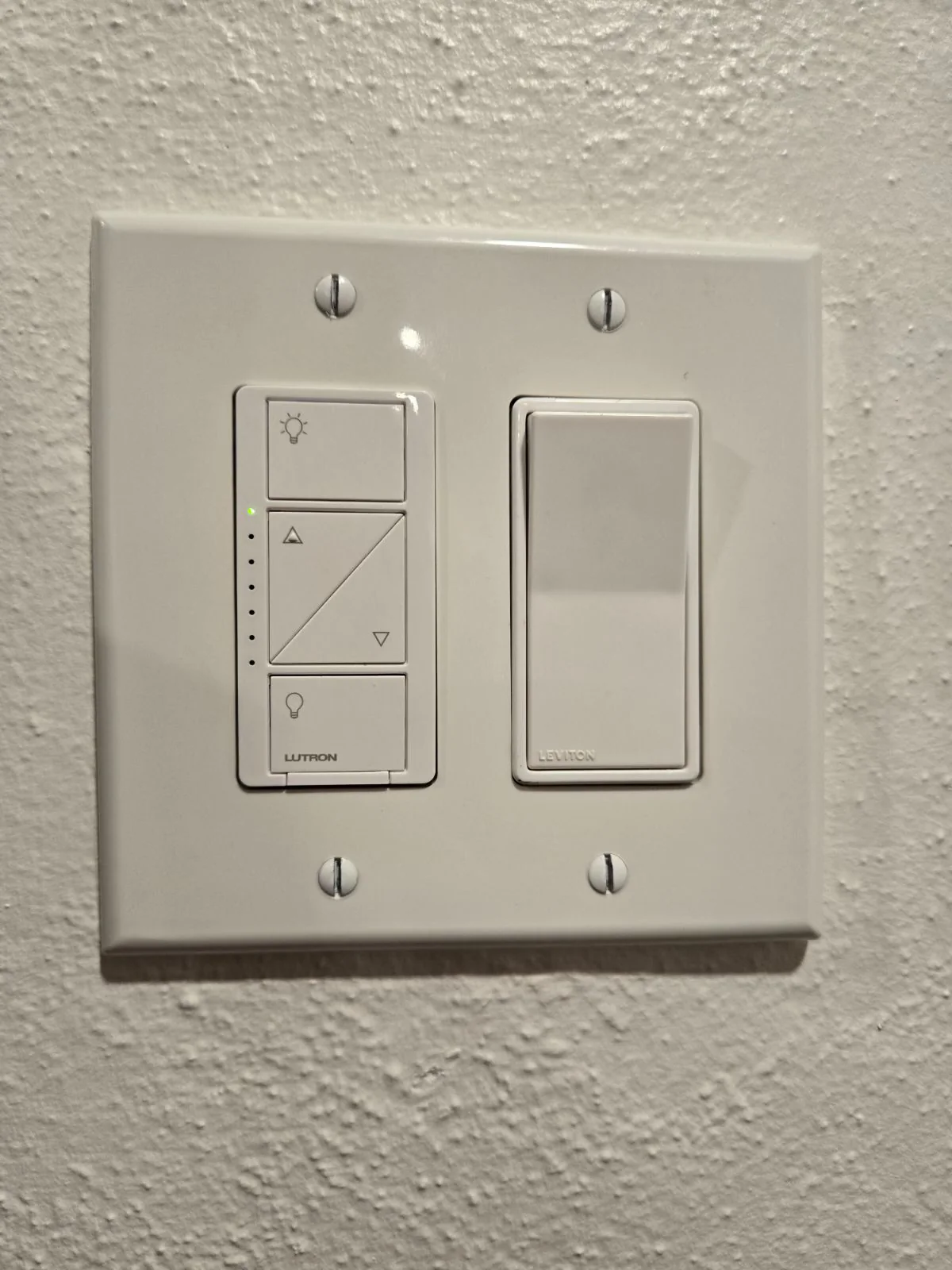
Have the electrician assess the existing setup. You can provide useful information without removing a switch: note how many wall locations operate the same lights and whether those controls currently behave correctly. Photos of the outside of the wall plates and the room are a good starting point.
Decide what should work without your phone
Think about visitors, children, and family members who do not want another app. Explain which functions need to remain obvious at the wall. Ask how your chosen system handles ordinary on/off use, dimming, and any additional control locations.
If app or voice features matter, list the devices and services you already use. Ask what additional equipment or account setup the selected product requires, and which functions depend on a network connection. Get answers for the actual system being proposed rather than assuming all smart controls behave alike.
Use symptoms to guide the conversation
Flickering, a narrow useful dimming range, or lights that remain faintly lit when switched off deserve attention. Lutron explains that some LED loads can interact poorly with certain control arrangements, including non-neutral dimmers. A symptom should prompt assessment, not an automatic guess that every fixture must be replaced.
Describe when the issue happens and whether it affects every light on the control. A short video can help show the behavior. Do not remove covers or alter wiring to collect information; the electrician can investigate the electrical details.
Compare the whole scope
A controls quote should make clear which devices are included, which lighting groups they serve, and whether setup and a walkthrough are part of the work. Ask how the agreed settings will be documented and how future bulb or fixture changes could affect compatibility.
For a Dayton-area lighting upgrade, send Lytle Electric your room list, your priorities, and the product details you already have. We can discuss a practical starting point without turning every room into a technology project.
- Identify the lights and rooms you want to control.
- Note every wall location that operates those lights.
- List the features you would actually use and any current problems.
Further reading & sources
Technical guidance is based on the sources below. Product instructions and your home’s actual conditions guide the work.