Before you get started
- Describe how the kitchen is used before selecting fixtures.
- Plan ceiling, work-surface, and decorative lighting together.
- Settle cabinet, island, and control details before installation.
One room, several different jobs
Your kitchen may be a cooking space, homework station, coffee stop, and gathering place in the same day. A single lighting setting rarely feels right for every activity. Before shopping, describe what happens in the room and when the current lighting gets in the way.
Try a simple exercise: stand where you prepare food, sit at the island, and look into the kitchen from the adjoining room. Note what feels uncomfortable from each position. Specific observations are more useful to an electrician than asking for the kitchen to be brighter everywhere.
Give the layers different responsibilities
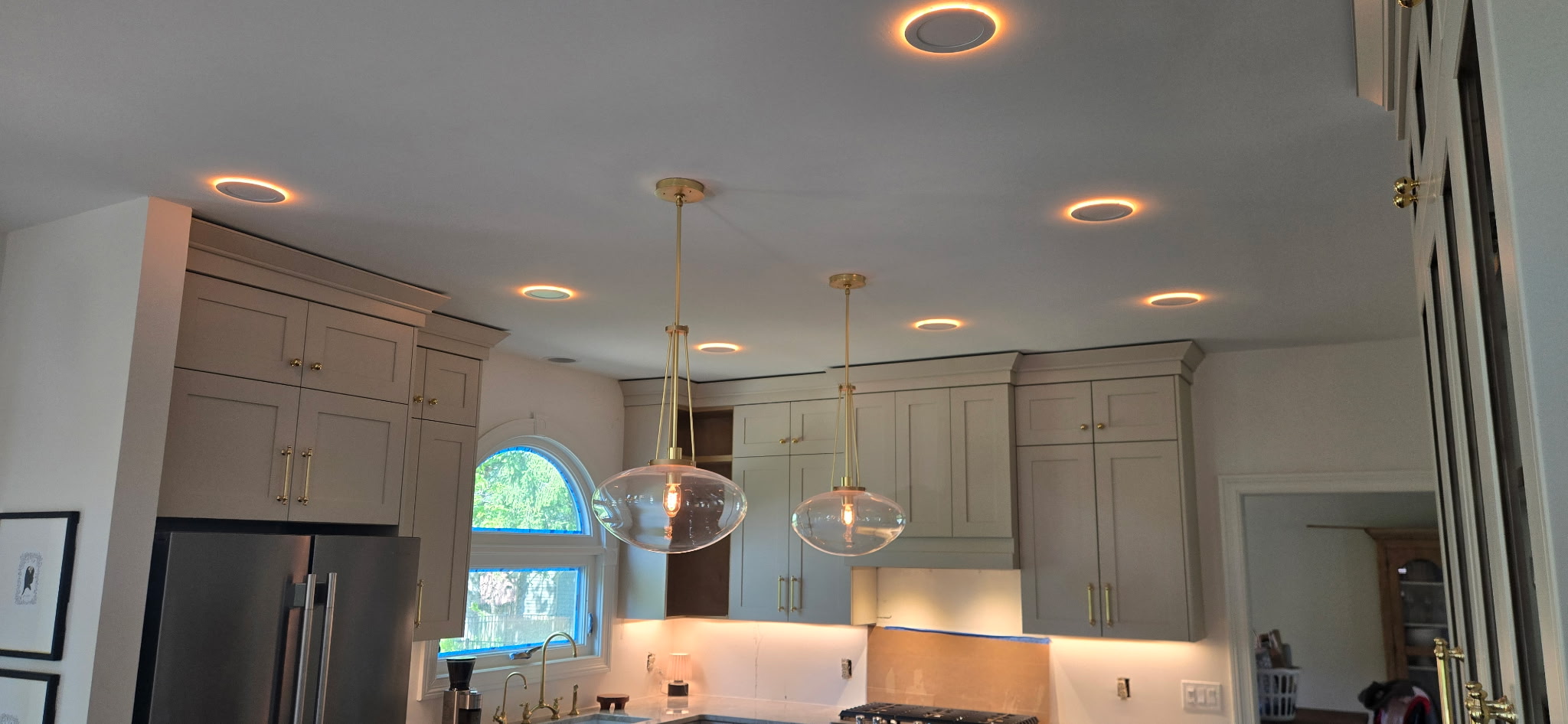
The Department of Energy distinguishes general illumination, task lighting for particular activities, and accent lighting for selected features. In a kitchen conversation, that can mean ceiling lighting for the room, lighting directed toward preparation surfaces, and a pendant or other feature that contributes character.
Treat those layers as a coordinated plan. A decorative fixture can be a focal point without being expected to handle every practical need. Likewise, adding more ceiling fixtures should not be the automatic response when the real frustration is seeing clearly at one countertop.
Choose the feeling as well as the fixture
Bring cabinet, countertop, and backsplash selections into the discussion. Ask to compare how the proposed lighting will look with those finishes, especially if the kitchen opens into another room. An attractive pendant in a showroom may feel very different beside your existing lighting.
DOE's consumer lighting guide explains that lumens describe light output, while Kelvin describes whether light appears warmer or cooler. Those are separate choices. Describe the atmosphere you prefer and ask which product specifications support it, rather than choosing solely by wattage or the appearance of the fixture.
Make the controls match your routine
Write down a few useful settings: bright preparation, a comfortable family meal, and a quieter evening. Discuss which groups you want to operate together and which should remain separate. That conversation should happen before locations and wiring are finalized.
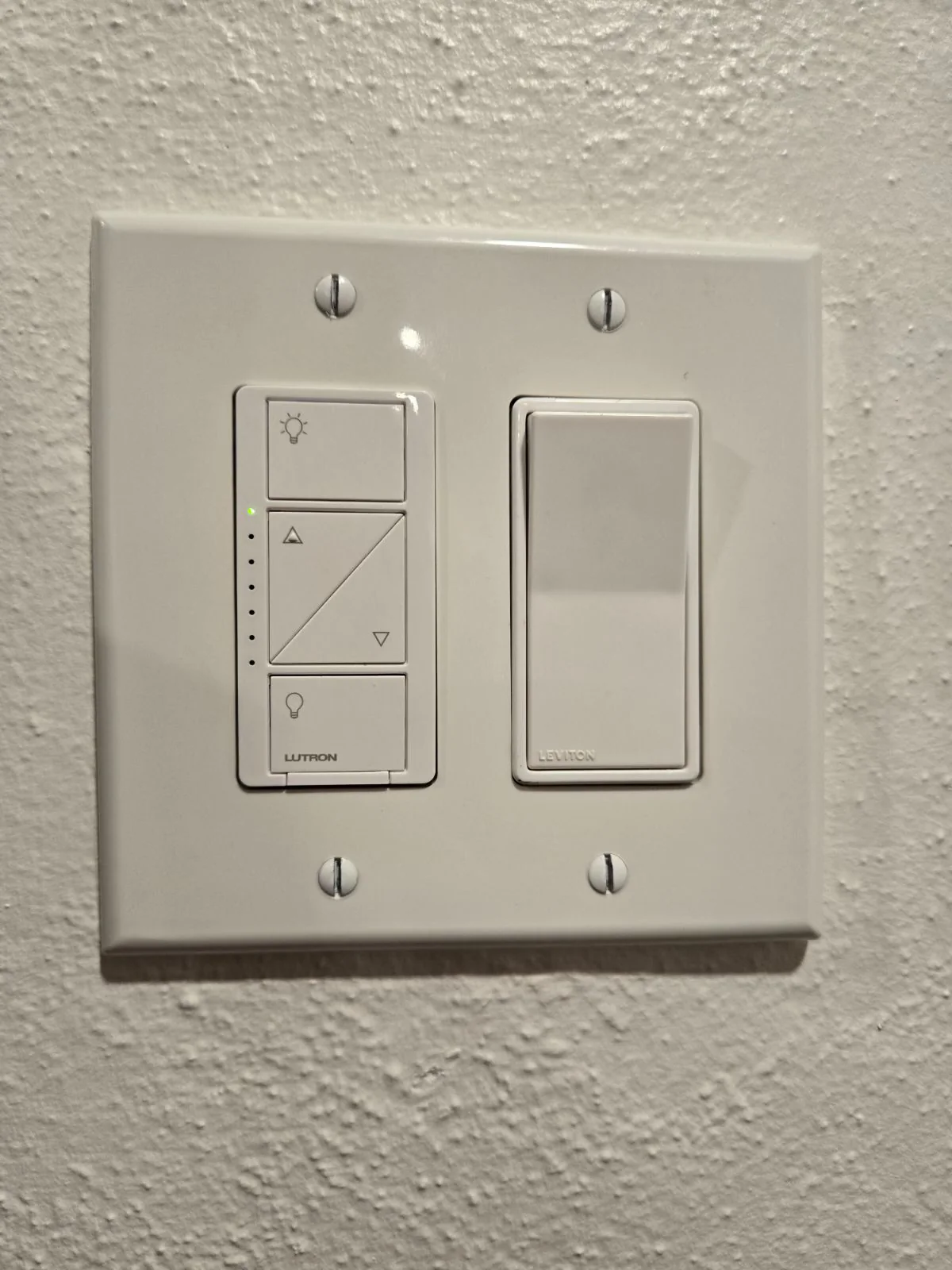
If you want dimming, ask for the selected fixtures and controls to be checked as a combination. Tell the electrician whether you prefer familiar wall controls, scheduled operation, or optional app features. Everyone who uses the room should be comfortable turning the lights on and adjusting them.
Coordinate the project before walls close
An island that moves, a cabinet run that changes, or a pendant selected late can affect the agreed plan. Share the most current kitchen drawing and identify which measurements are final. If other trades are involved, clarify who communicates revisions and who approves the final locations.
For an existing kitchen, discuss access and the finish work that may follow electrical work. Ask the quote to identify fixtures, controls, new wiring, any necessary electrical changes, and responsibility for patching or painting. These details make comparing proposals much more useful than comparing fixture counts alone.
Bring a practical lighting brief
Send Lytle Electric photos of the whole kitchen, the ceiling, and the areas that currently feel awkward. Add product links for any fixtures already purchased. Photos from daytime and evening can help explain how the room changes, but an on-site assessment may still be needed.
If you are planning a Dayton-area kitchen upgrade, start with the result you want each day. The goal is a room that works comfortably and feels like your home.
- The final island and cabinet layout, if available.
- Which lights you would like to control separately.
- Your preferred timing and the other work happening in the kitchen.
Further reading & sources
Technical guidance is based on the sources below. Product instructions and your home’s actual conditions guide the work.