Before you get started
- Decide which systems matter most during an outage.
- Generator sizing requires an assessment of loads, including motor starting needs.
- Compare complete installation scopes and discuss maintenance before choosing equipment.
Picture an ordinary day without utility power
Start with the routines an outage would interrupt. Think about food storage, working from home, opening the garage, and keeping essential rooms comfortable. Then consider what your household could postpone. These decisions produce a better starting brief than asking for the largest generator available.
Households use their homes differently. One family may prioritize refrigeration and selected rooms, while another wants broader coverage during a longer interruption. Write down your priorities before the consultation so the proposed system can be explained against the way you actually live.
Turn priorities into an equipment list
Generator sizing depends on the loads being supported, including starting demands from motor-driven equipment. Square footage alone does not describe those needs. The installer should evaluate the specific equipment and how it will be supplied.
Separate your list into essentials, preferred comforts, and items you can delay. Ask whether load management is appropriate and what it would mean in practice. A proposal should explain which equipment may pause or be excluded, rather than relying on an undefined promise of whole-home coverage.
- Identify the rooms and systems you want available during an outage.
- Note any equipment you expect to add after installation.
- Discuss interruptions and separate backup arrangements for medically necessary equipment with its provider.
Ask what will actually happen during an outage
Request a plain-language walkthrough: what detects the outage, which circuits receive generator power, and what happens when utility power returns. An automatic transfer switch is part of how a standby installation changes between power sources.
Also ask about the experience after startup. Will you need to change any household habits? Who explains controls and alerts? If different family members will be home at different times, include them in the handover so one person's absence does not leave everyone guessing.
Look beyond the equipment price
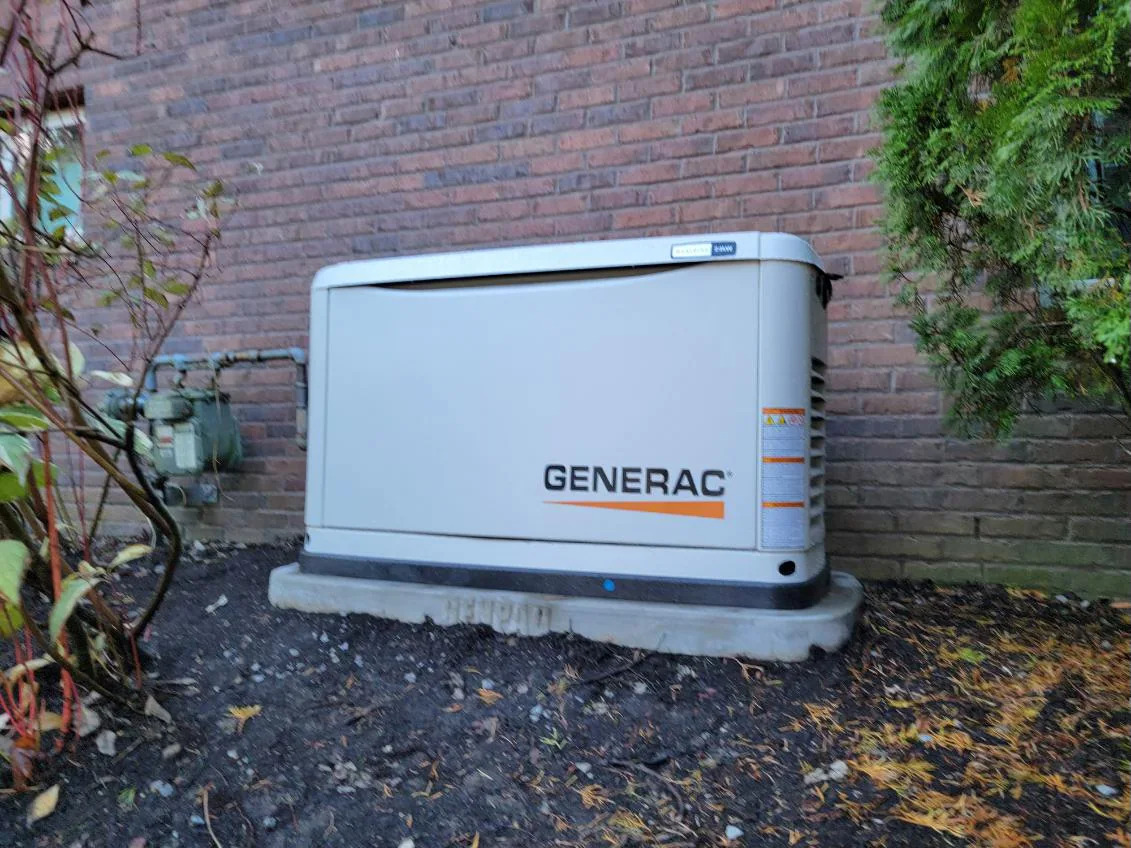
A standby installation also involves placement, site preparation, electrical connections, a suitable fuel supply, and coordination of applicable approvals. The proposed location needs professional review; a convenient empty corner of the yard is not automatically suitable.
Ask for the complete scope before comparing totals. Identify who is responsible for each part, including work performed by others. Discuss the access route, landscaping concerns, and any areas you want protected. If you belong to a homeowners association, ask what information the installer can provide for your review process.
- Which generator and transfer equipment are included?
- Who handles site preparation, fuel work, permits, and inspection coordination?
- What testing and homeowner orientation are included at completion?
- Which property conditions could change the proposed work?
Include ownership in the decision
Ask how maintenance will be arranged, what records you will receive, and whom to call about a warning or a missed exercise cycle. Clarify the difference between routine maintenance and a repair visit. Discuss service availability without assuming a maintenance agreement includes immediate attendance.
Keep the proposal, equipment documents, and handover notes together. A clear installation record helps future conversations, particularly if you change service providers or sell the home. This planning is easier before installation than during an unexpected interruption.
Talk through your backup priorities
Lytle Electric can discuss standby generator installation and Generac maintenance for your Dayton-area home. Send your location and a brief description of what you want to keep running. We will start with your priorities and the property, then explain the next assessment steps.
Further reading & sources
Technical guidance is based on the sources below. Product instructions and your home’s actual conditions guide the work.