Before you get started
- Inspect seasonal decorations before use and follow their indoor or outdoor ratings.
- Plan winter electrical loads and outage needs before a storm arrives.
- Keep away from fallen lines and have water-exposed electrical equipment professionally evaluated.
Start with how your home changes in winter
Winter brings a different routine: lights stay on longer, decorations come out of storage and a chilly room may tempt you to add a portable heater. A useful electrical check starts with those changes rather than an assumption that every home needs new equipment.
Choose a daylight hour to walk through the spaces you use most. Make a short list of concerns and upcoming plans. You are gathering information, not inspecting live wiring. Leave outlet covers, fixtures and electrical panel covers in place, and arrange professional help for anything you cannot safely assess from the outside.
Check decorations before putting them up
Inspect unplugged light strings and decorations for damaged insulation, broken components or loose connections. Do not use damaged items. Outdoor products should be marked for outdoor use, and outdoor lighting should have appropriate GFCI protection.
Plan a route that avoids pinching cords in doors or windows. Keep cords away from standing water and snow, and follow product limits instead of linking decorations together by guesswork. Turn decorations off before leaving home or sleeping. A convenient switching plan makes that habit easier to maintain.
Before decorating, photograph the packaging instructions or save the product manual. Label indoor and outdoor items separately when storing them again. This small organizational step makes next winter’s setup easier and reduces reliance on memory.
Review heating and alarm needs
Portable electric heaters belong directly in wall outlets, never extension cords or power strips. Keep them at least three feet from combustible items and switch them off before sleeping. If a cold room requires constant supplemental heat, discuss the underlying comfort problem and electrical demands instead of adding more heaters.
Check smoke and carbon monoxide alarms following their manufacturer instructions. CPSC recommends alarms on every level and outside sleeping areas, with battery backup where applicable. Arrange annual professional inspection of fuel-burning heating equipment.
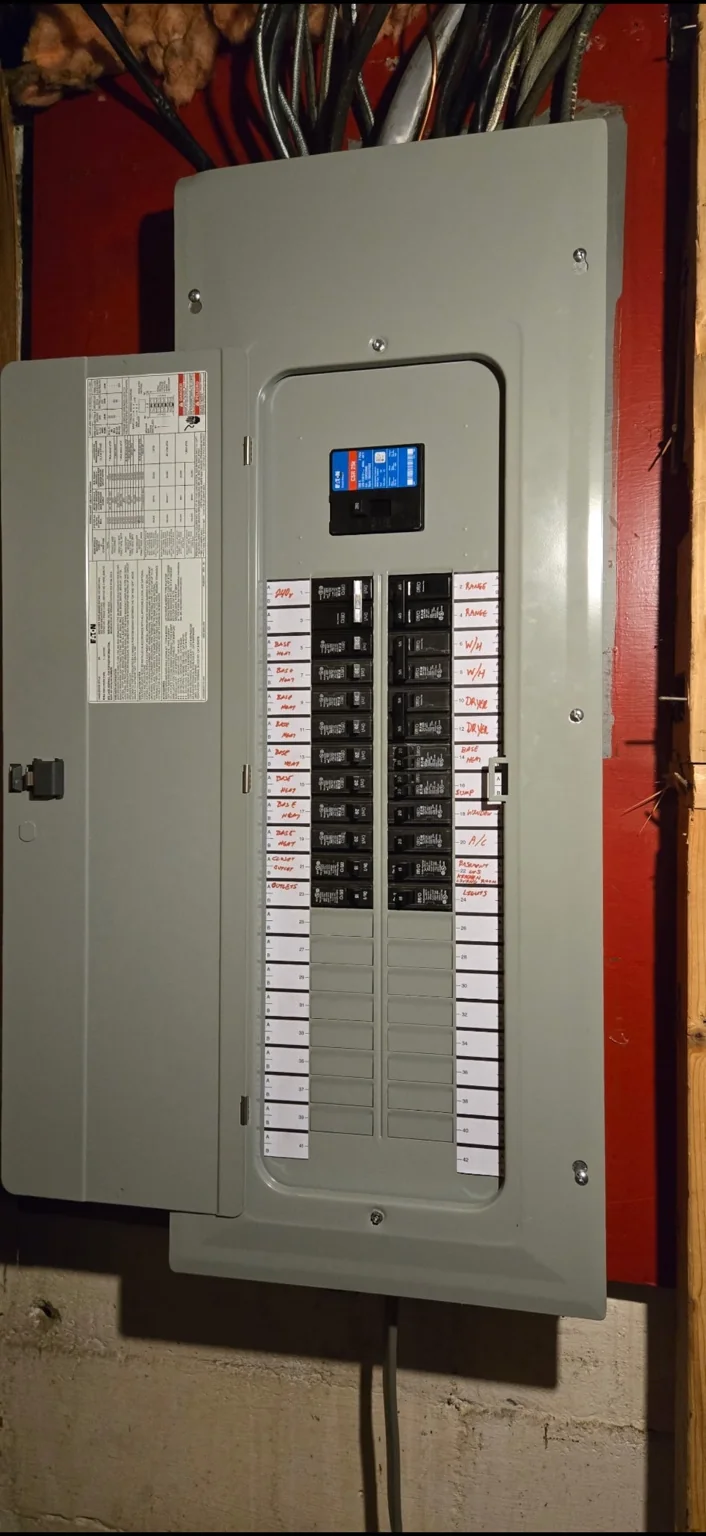
Write down any recurring breaker trips and which equipment was operating. This gives an electrician a clearer starting point than a general report that the power sometimes goes out. Do not repeatedly reset a circuit that trips again.
Make a plan for an outage
Keep flashlights accessible and save the utility’s outage reporting information. Discuss where family members could stay if the house cannot remain safely occupied. If someone relies on powered medical equipment, arrange a specific backup plan with their equipment provider before severe weather.
Treat fallen power lines as energized and stay away; report them to the utility and call 911 for immediate danger. Do not use water-exposed electrical equipment until it has been professionally evaluated. Never connect a generator to a household outlet or operate one inside a home or garage.
If backup power is on your wish list, start with the equipment you want to support and arrange a separate planning conversation. Installation and operating requirements depend on the generator and the home.
Prioritize the work with clear information
Bring Lytle Electric your list of outlet concerns, lighting needs and recurring electrical problems. Include the rooms involved and any recent changes in equipment. We can discuss repairs and improvements around how you actually use your home, helping you distinguish a present concern from a project to plan for later.
Further reading & sources
Technical guidance is based on the sources below. Product instructions and your home’s actual conditions guide the work.