Before you get started
- GFCIs address certain shock hazards; AFCIs address hazardous arcing that can cause fires.
- AFCI protection alone does not automatically provide GFCI protection.
- Recurring trips call for investigation, not bypassing the protective device.
Similar initials, different jobs
When an electrician mentions GFCI and AFCI protection, the names can sound interchangeable. Both can interrupt electrical power, but they respond to different conditions. Understanding the distinction helps you ask better questions about a kitchen refresh, an older outlet or a circuit that keeps shutting off.
You do not need to identify every electrical component yourself. The useful homeowner question is what protection a particular circuit has, whether it is appropriate for how you use that space, and what should happen when a device trips.
GFCIs help protect people from shock
A ground fault circuit interrupter compares current going out with current returning. A small imbalance can indicate current taking an unintended path, and the device interrupts power. This is why GFCI protection is particularly important around places such as kitchens, bathrooms, garages and outdoor areas.
It does not detect moisture itself, and it is not a guarantee against every possible electric shock. ESFI recommends monthly testing in accordance with the device instructions. If you cannot identify the correct procedure or the device does not respond as expected, arrange an assessment rather than assuming a lit indicator proves everything is fine.
AFCIs help reduce electrical fire risk
An arc fault circuit interrupter responds to hazardous arcing conditions. Damaged or stressed wiring and electrical devices can develop arcing that creates a fire risk. AFCI protection is designed to recognize those conditions and interrupt the circuit.
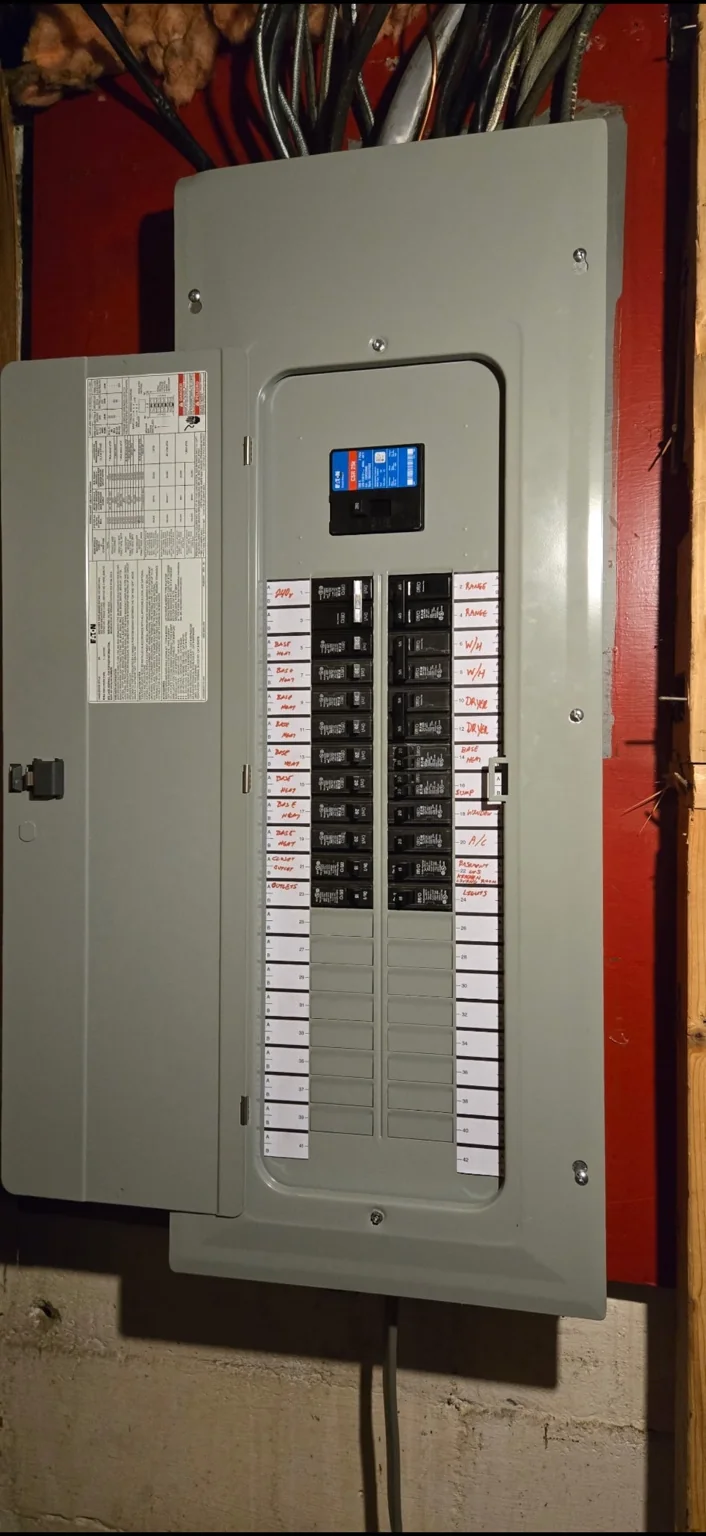
A standard breaker, a GFCI and an AFCI are not interchangeable solutions. An electrician can identify the protection already present and recommend changes appropriate to the circuit. Follow the AFCI manufacturer’s testing instructions; ESFI recommends a monthly test. Do not replace a repeatedly tripping protective device with a simpler type just to keep the power on.
One device can sometimes provide both
Manufacturers offer dual-function devices that combine AFCI and GFCI protection. An AFCI-only outlet does not automatically provide GFCI protection, and the presence of test buttons alone does not tell you which functions you have. Read the accessible labeling and keep the model information for your electrician.
The right arrangement depends on the wiring, existing equipment and applicable requirements. Avoid shopping for a replacement solely because the faceplate looks the same. During a remodel, include electrical protection in the project conversation before paint, tile and cabinetry are finished.
Turn a recurring trip into useful information
Keep a short note of what happened: the room involved, the equipment running, whether the problem followed a recent change, and any indicator message visible without opening equipment. These observations help describe the issue without attempting a wiring diagnosis.
Do not repeatedly reset a device that trips again, bypass it, or open an outlet or panel to investigate. If there is smoke, active sparking or fire, leave the area and call 911. For a recurring non-emergency issue, ask an electrician to determine the cause.
Lytle Electric can review outlet and circuit concerns and explain the available options. Bring your questions about protection, everyday use and future upgrades. You should leave the conversation understanding the recommendation, not simply holding a list of unfamiliar initials.
Further reading & sources
Technical guidance is based on the sources below. Product instructions and your home’s actual conditions guide the work.